Remembering on Memorial Day
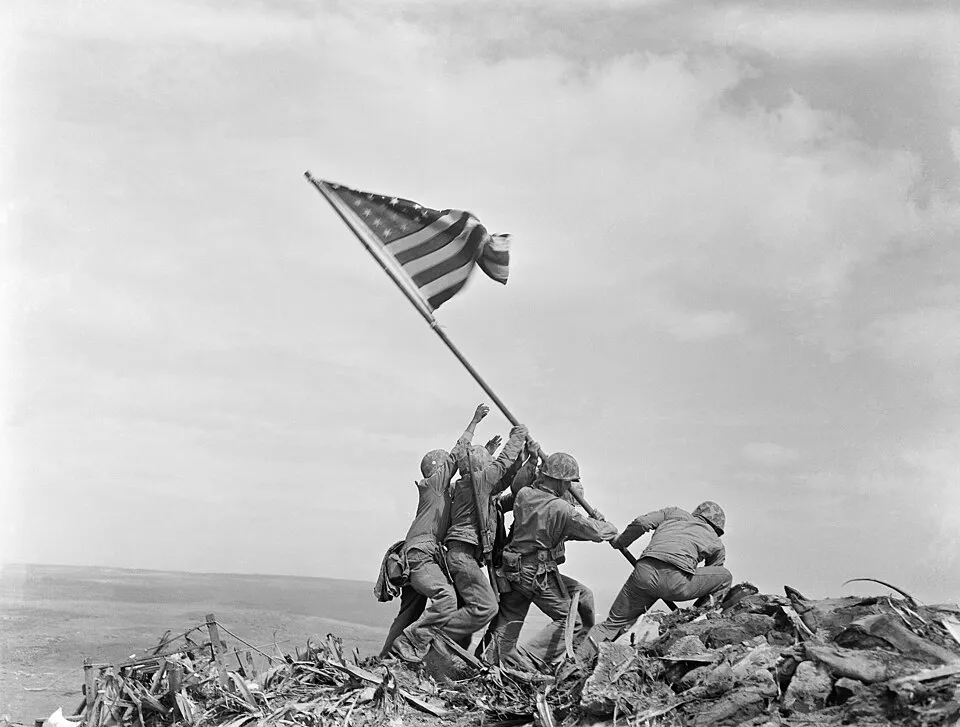
Countless heroes have defended our shores, from our founding 250 years ago until today. Too many have sacrificed their lives in defense of the United States. We’ve most recently lost thirteen service members in Operation Epic Fury. Others, like my dad, who served in the Korean War, and my uncles and grandfather, who served in World War II, were fortunate to make it home. Each one has preserved something we call freedom—the bedrock of America.
Yet our founding fathers, as author Os Guinness and others have pointed out, preferred ordered liberty above freedom. “The glory of freedom should never blind anyone to its immoderate nature and therefore to the stern requirements that surround it. For at the heart of freedom lies a grand paradox: the greatest enemy of freedom is freedom,” Guinness writes in A Free People’s Suicide: Sustainable Freedom and the American Future.
Our founders knew that the republic they were establishing would be easily broken, and each generation would bear the weighty responsibility of maintaining it. Eric Metaxas reminds us of that responsibility in his book If You Can Keep It, named after a now-famous exchange between Benjamin Franklin and a Philadelphian named Mrs. Powell. As Franklin departed the Constitutional Convention, she asked him whether the new nation would be a monarchy or a republic. He replied, “A republic, madam—if you can keep it.”
The Constitution was only a start—mere words on paper, as Metaxas notes, unable to ensure that American citizens would abide by it. “This, then, was the gamble of the founders—one that placed tremendous trust in the people to whom they bequeathed this fragile form of government. So the question must be why did they trust the people of the republic to keep the republic? The only answer to that question is that they knew the people of the American colonies at the end of the eighteenth century were prepared for the job of keeping it,” he writes.
Three reasons made them perfect candidates:
- They had inherited the tradition of British law.
- They honored religious liberty and knew how to live among others with different beliefs.
- Their strong religious faith meant they probably practiced self-government.
Modern Americans are quite different from the earliest citizens. Our collective grasp of history is desperately lacking. We’ve lost sight of our founding. Most K–12 schools no longer pass on the history lessons required to instill the civic responsibility that will uphold the republic.
“Another reason I wanted to write this book was that I had never heard about these things growing up and I realized that several generations of Americans have missed these seminal ideas as well,” Metaxas says. I too found my history lessons inadequate. I don’t recall learning these important concepts in K–12, undergraduate, or graduate school.
As we sit on the brink of America’s 250th birthday, may we rededicate ourselves to keeping the republic. We owe it to the many who’ve shed blood to preserve it, and to the rising generations. A great place to begin that rededication is with the Golden Triangle of Freedom, a phrase coined by Guinness and explored further by Metaxas. I’ll be writing more about it this summer. Stay tuned!
Comments
Loading comments...
Trackbacks & Pingbacks
Leave a Comment